
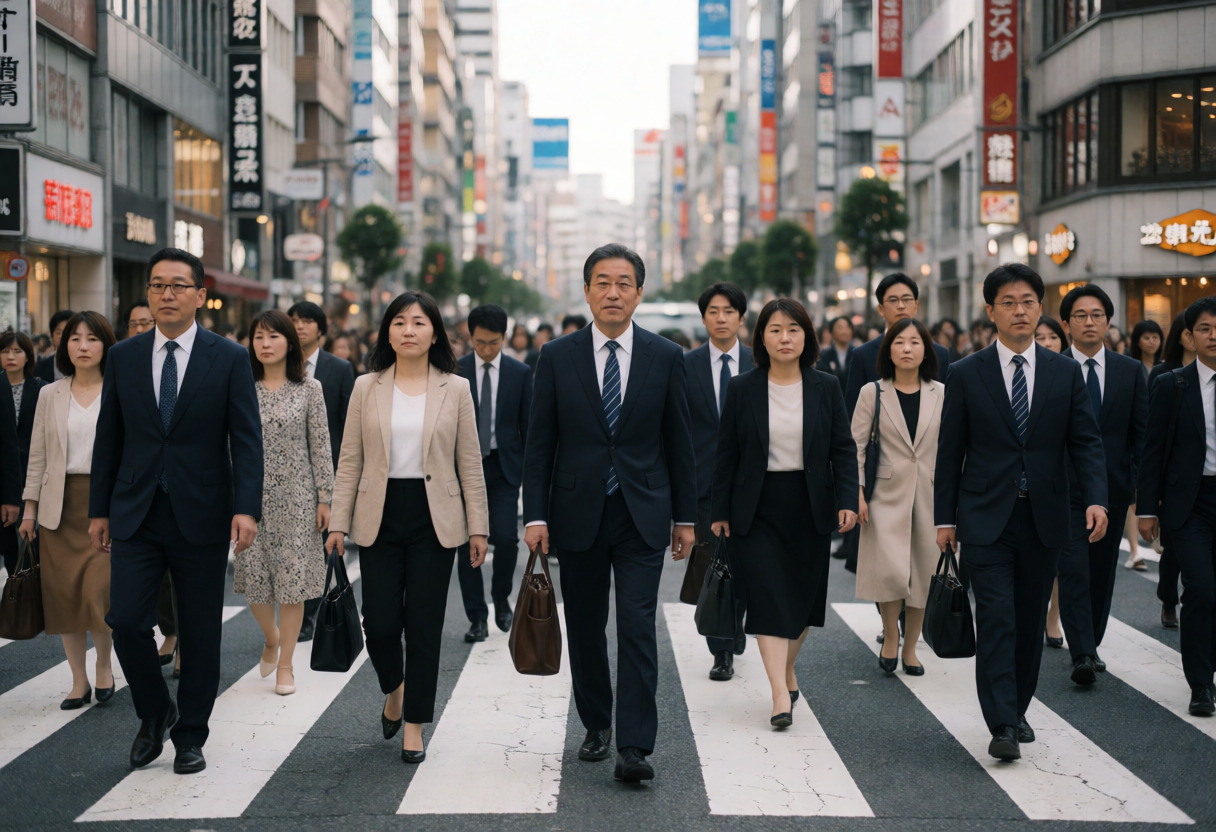
The demographic change in the Land of the Rising Sun is no longer merely a warning but has become a terrifying reality. According to the latest data from the Basic Resident Register published by Japan's Ministry of Internal Affairs, the population of Japanese citizens fell to 119 736 483 as of 1st January marking the first time in 42 years (since 1984) that the number of local residents has fallen below 120 million.
This is what the numbers say
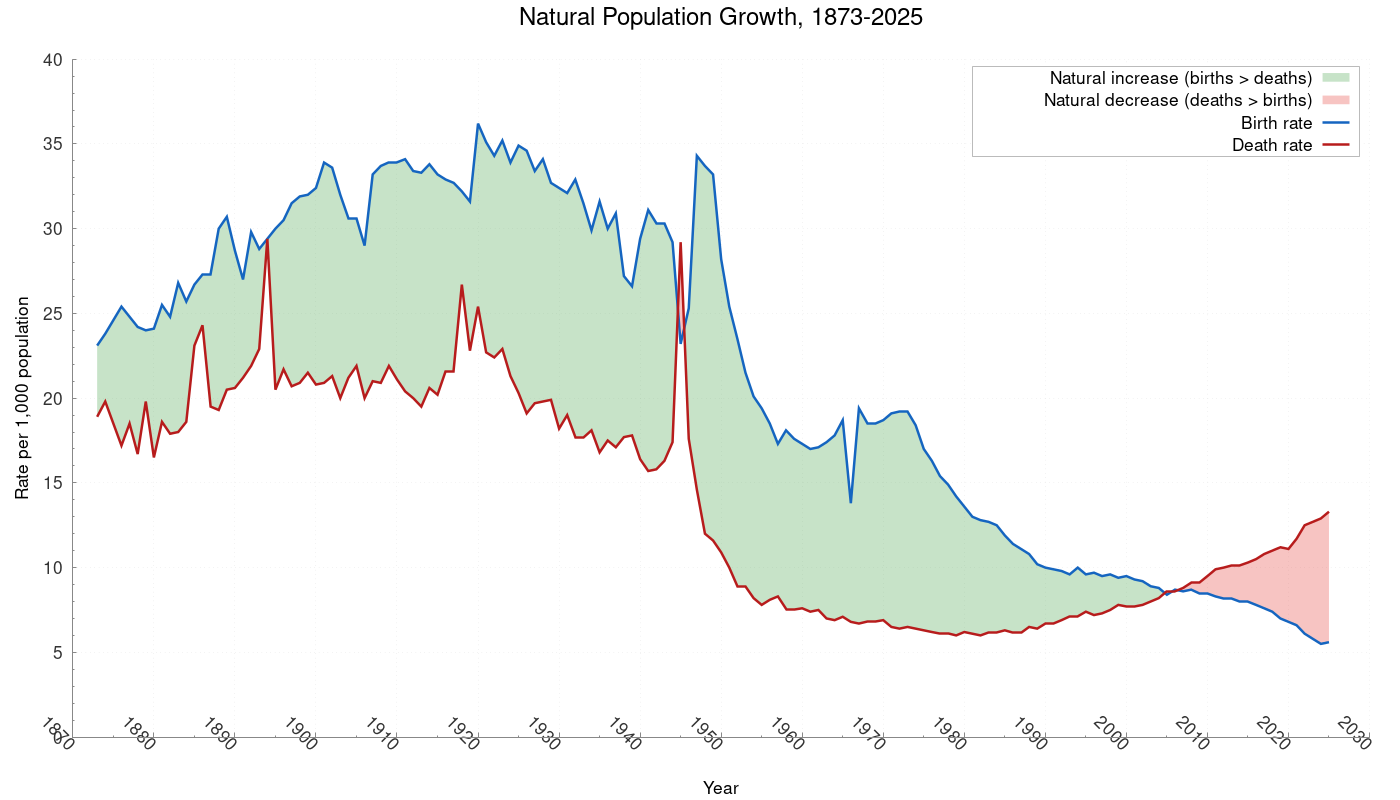
This decline is not a sudden surprise but rather the seventeenth consecutive year of population contraction representing an annual loss of 916 744 people (a decrease of 0.76%), which is the largest drop recorded in a single year since these measurements began in 1968. The natural population change (the difference between births and deaths) reached its lowest point in recent history, resulting in a net loss of 923 008 inhabitants. In 2025 the number of births hit an all-time low of just 670 467 babies compared with an overwhelming total of 1 593 475 deaths with not a single prefecture managing to record a positive birth balance.
At a prefectural level
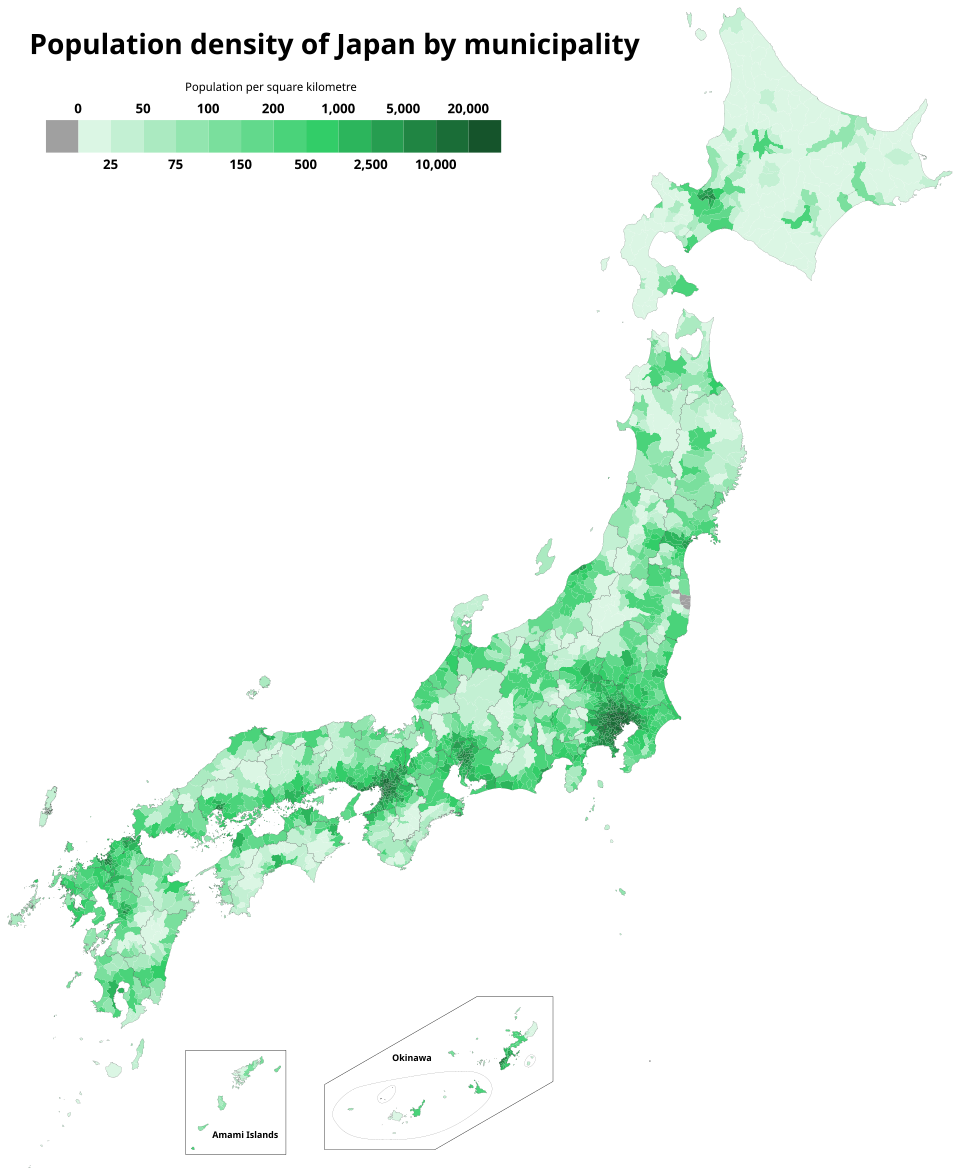
Of the country's 47 prefectures only Tokyo recorded a modest increase in its local population with 12 540 additional residents, accounting for more than 11% of the national total. In contrast regions such as Hokkaido suffered massive losses of more than 58 000 people accompanied by drastic percentage declines in prefectures such as Akita, Aomori and Kochi. Furthermore, the average size of Japanese households fell to exactly two people per household reflecting the progressive social isolation of the ageing population.
What about the international workforce
On the other hand, the presence of the international workforce is the sole reason why the total collapse of the economy has not accelerated dramatically. The number of foreign residents soared by 9.62% adding 353 696 new residents to exceed the four-million mark for the first time in history, reaching a total of 4 031 159 people. This group now accounts for 3.26% of the country's total population and showed increases in every prefecture driven by a record figure of more than 720 000 people who entered the country from abroad during 2025.
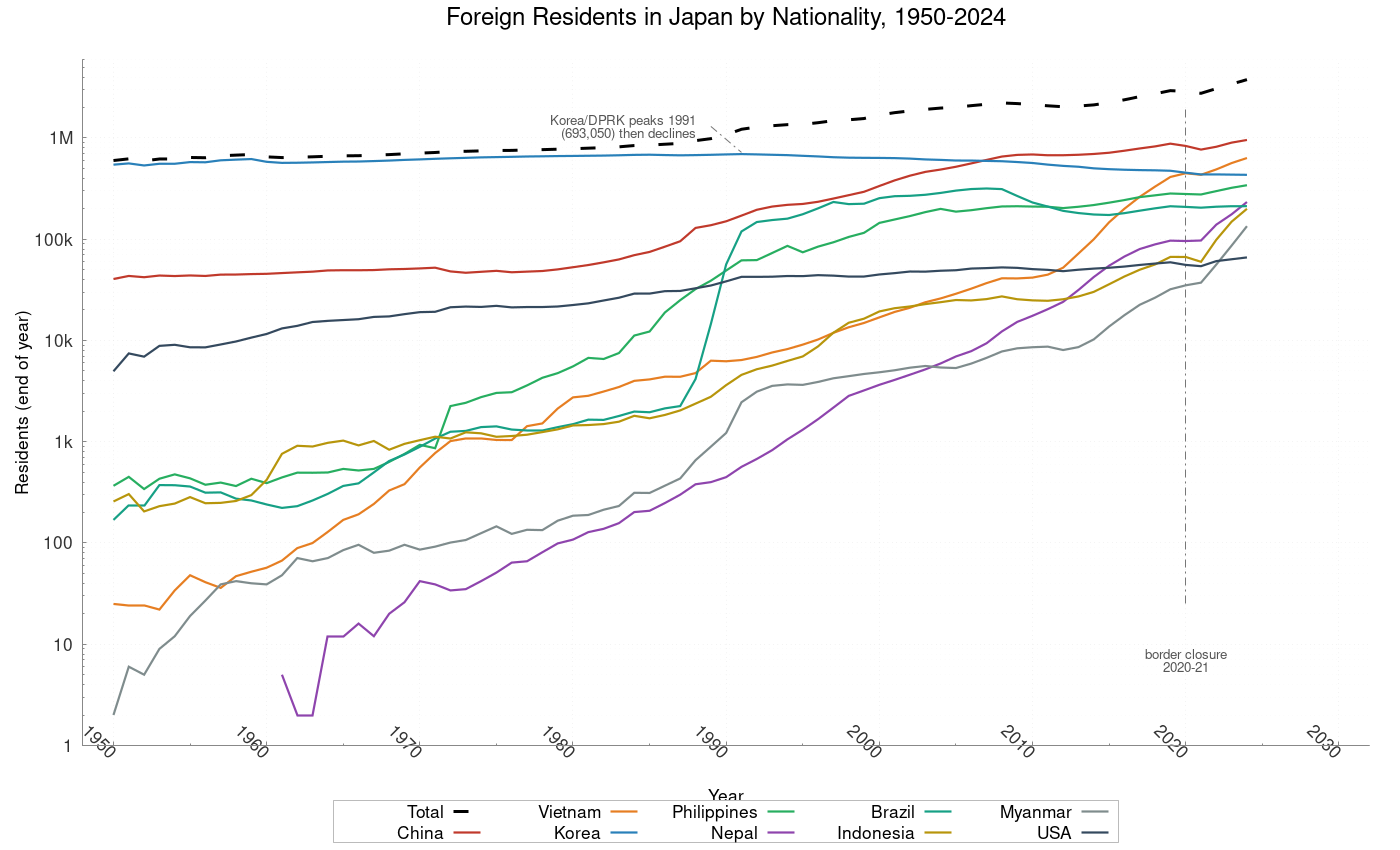
When the native population is combined with foreign residents, the total population of Japan stood at 123 767 642. Only three prefectures managed to maintain overall growth when foreign residents were included: Tokyo, Osaka and Chiba. With the working-age population (aged 15 to 64) accounting for just 59.97% of the national total the foreign workforce in this age group amounted to almost 3.5 million people, becoming the undisputed backbone supporting the economy, services and infrastructure of a nation facing its most severe demographic crisis.