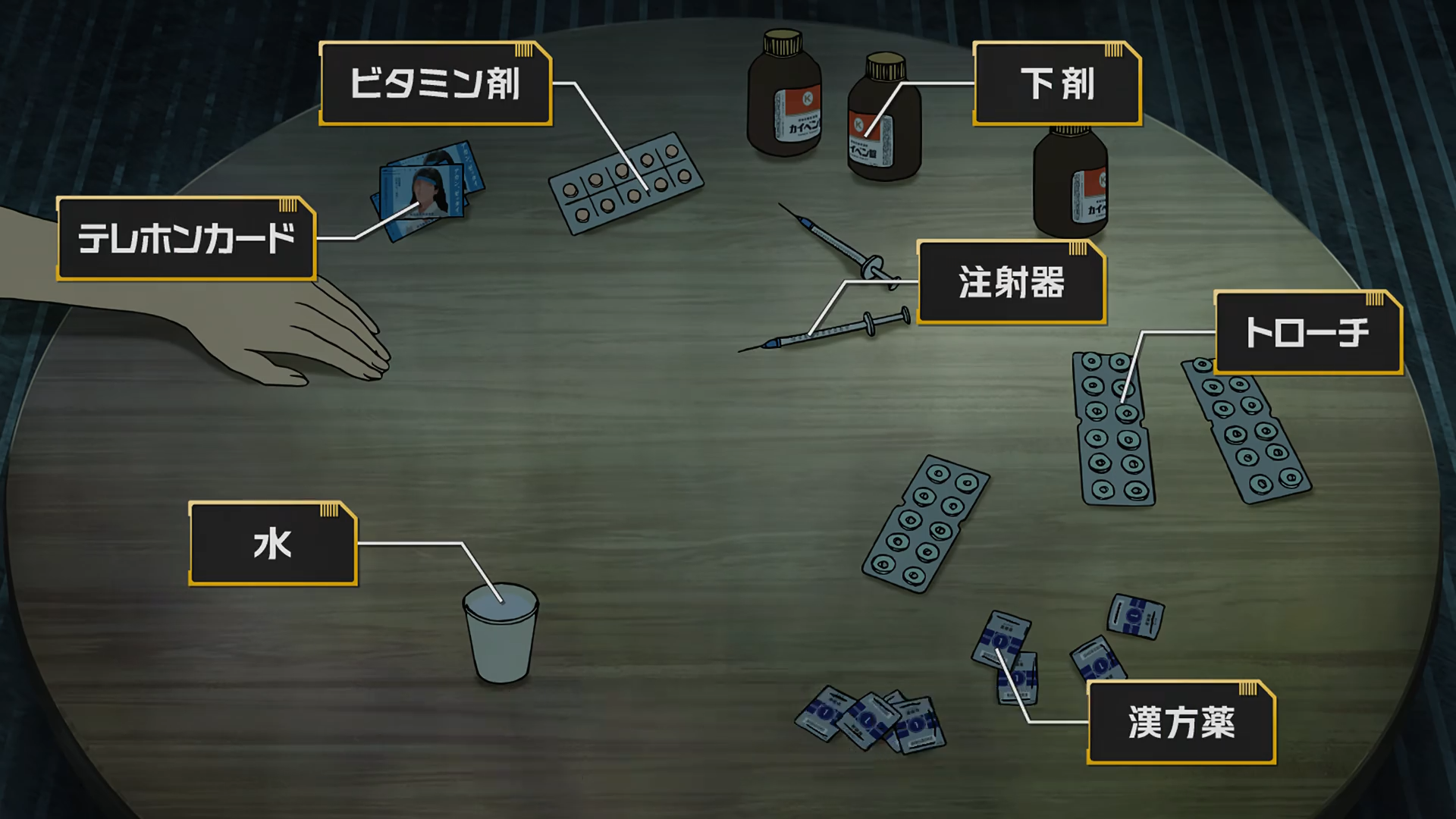
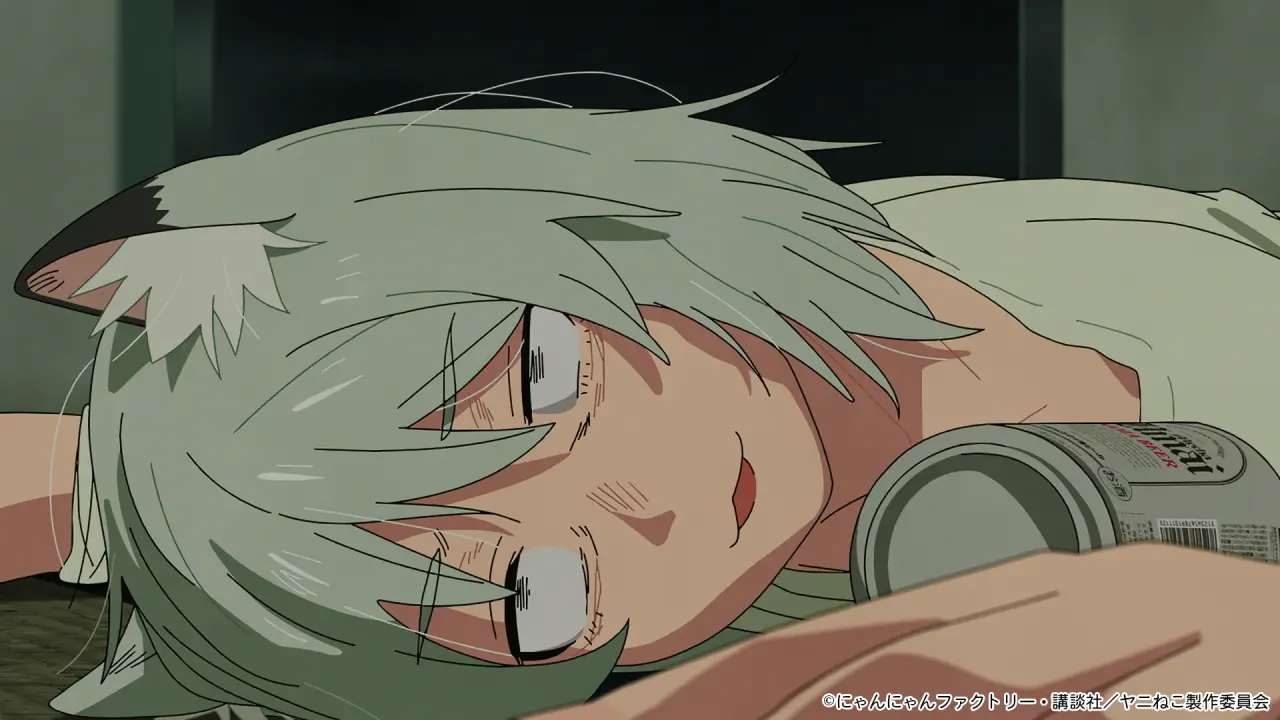
The anime Yani Neko has escaped censorship following complaints in Japan. The BPO discussed numerous complaints regarding scenes involving drugs and tobacco in the comedy Yani Neko.
The BPO incident
Complaining to the authorities that an adult series contains adult themes is a modern classic in Japan. The Organisation for the Improvement of Broadcasting Ethics & Program Improvement (better known to the community as the feared BPO) has just published its latest report on the flood of complaints against the anime adaptation of Yani Neko, the original manga created by Nyannyan Factory. To the surprise of many, and despite the intense online backlash for showing scenes that simulated the use of illegal drugs the committee decided to wash its hands of the matter and let the cat girl carry on with her bad habits on screen.
So what happened actually
The plot of this unusual late-night comedy anime introduces us to a 21 year old beast girl whose whole life revolves around smoking like a chimney, dodging the rent and surviving on poorly paid part-time jobs. However, what truly scandalised a conservative section of the audience was not the protagonist's extreme smoking but a graphic sequence in which a supporting character is shown injecting herself with a suspicious substance. Although it is never directly referred to on screen as an illegal drug the visual implications were more than enough for the more sensitive viewers to send in their complaints demanding immediate government intervention.
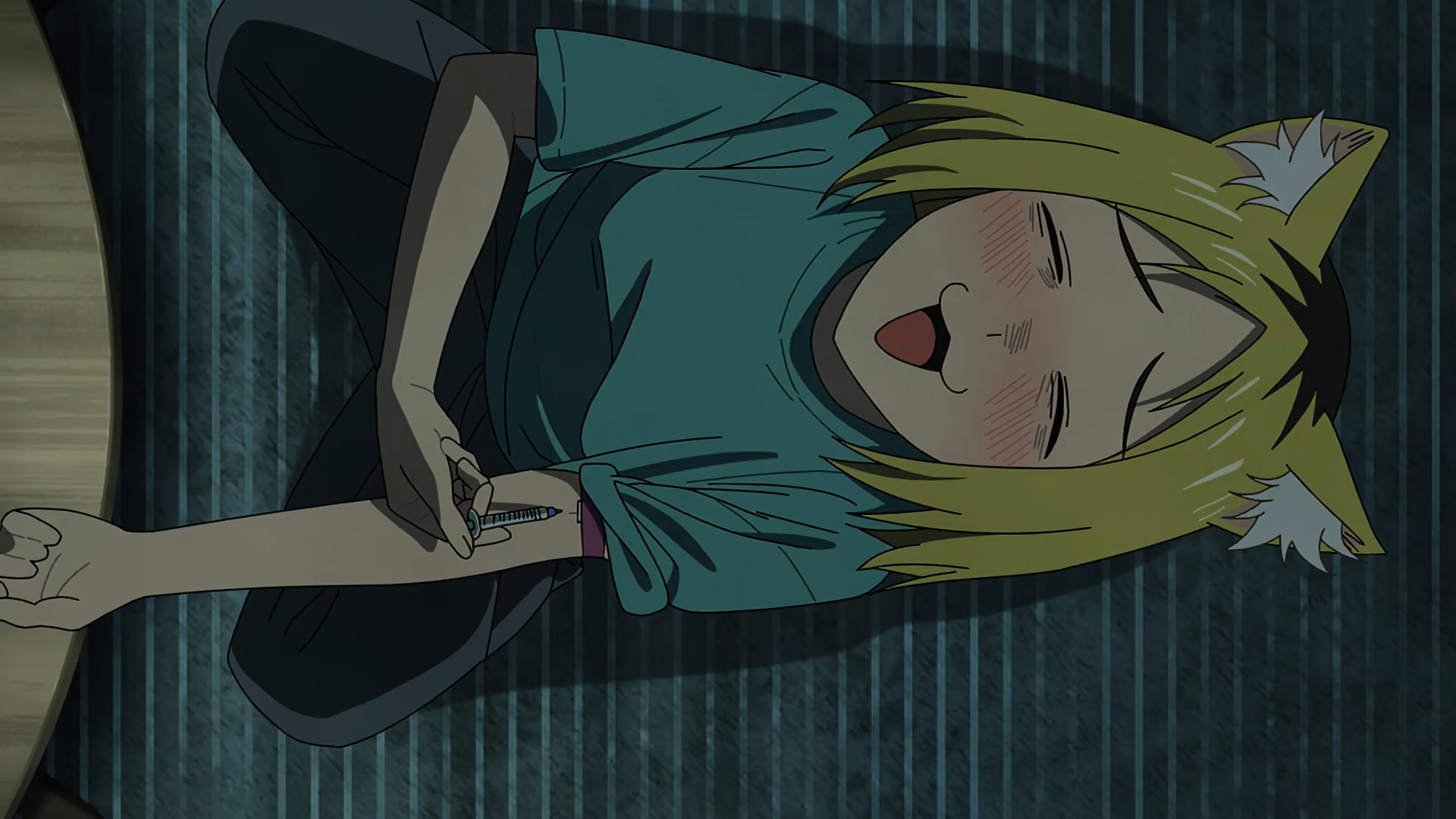
And the veredict?
During their meeting at the end of July the members of the ethics committee analysed the impact of these scenes in detail. Their conclusion came as a great relief to the anime industry:
As the programme is broadcast in a late-night slot, it is clear that the production committee is fully aware that their work is not aimed at a child audience.
Furthermore, one board member pointed out:
By not explicitly labelling the substance in the syringe as something prohibited by law, the sequence falls entirely within the bounds of freedom of expression.
On this basis, the organisation closed the case on 6 August without issuing any official sanctions or recommendations for censorship.